
Handmade Gifts: 7 Mistakes That Make Your Thoughtfulness Fall Flat
Hi, it’s Sophie.
To make sure your handmade gifts hit the mark, start with the recipient’s tastes and habits, not just your own desire to create.
A handmade gesture can be moving, but it can also fall flat if it imposes a style, function, or level of intimacy that doesn’t feel right. Here are seven mistakes that are easy to avoid with a few practical pointers.
What to do right away
- Notice the colors, materials, and objects the person already likes.
- Choose a format that’s easy to use, store, or give as a gift.
- Match the personalization to how close your relationship is.
- Check the choice of materials, the dimensions, and the craftsmanship.
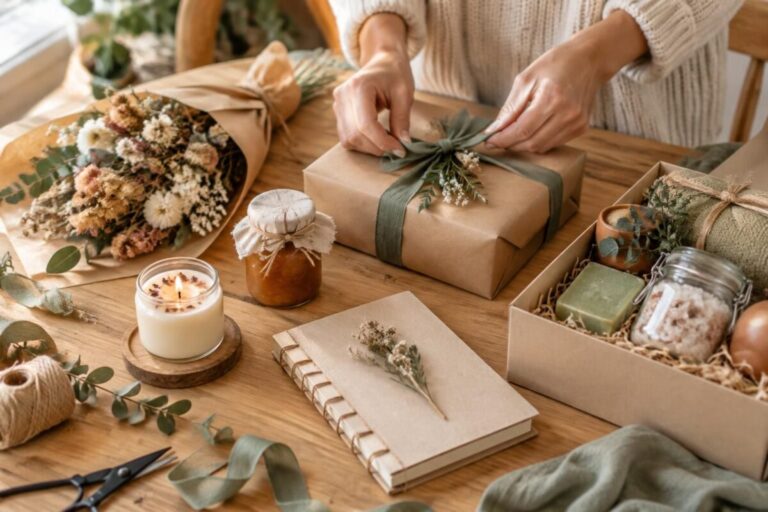
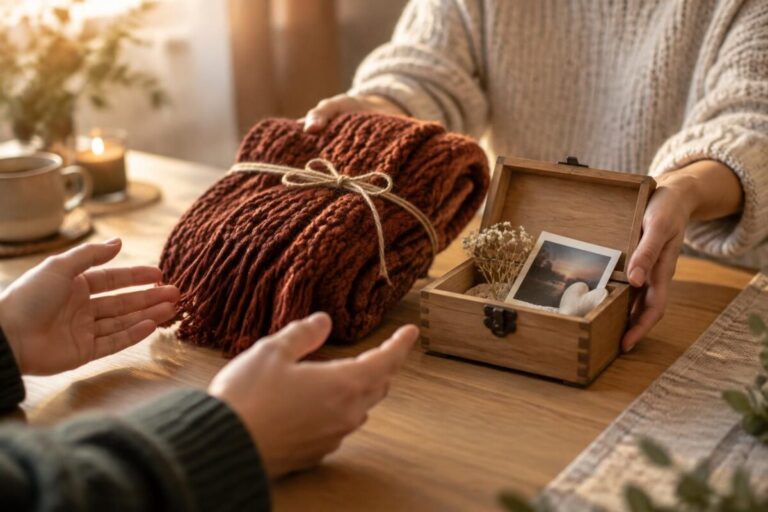
- Plan thoughtful gift wrapping and let the person react however they like.
To explore the topic further, find out why some handmade gifts touch people while others make them uncomfortable, along with tips on giving home décor without imposing your own style.
Seven mistakes that turn a handmade gift into a misjudged gesture
It’s tempting to choose something because the person making it likes it. But the effort you put in doesn’t guarantee the gift will find a place in the recipient’s life.
1. Choosing based on your own tastes
A bright color, a busy pattern, or a strong fragrance might be perfect for you but not suit the recipient. Notice what they wear, display, or already use: these clues are more reliable than a hunch.
2. Making it too personal
A name, date, or personalized message makes an item unique, but it can feel intrusive if the relationship is new or professional. For an acquaintance, choose a subtle detail; save highly personal references for close friends who genuinely share that memory.
3. Giving a practical item that feels like a hint
A storage accessory or household item can be useful, but it might suggest a chore rather than a treat. It makes a great original gift idea if the person has asked for it or already likes that kind of item.
4. Forgetting about available space and habits
A large decorative piece can clutter a minimalist home. A pouch, small illustration, or consumable creation is often easier to accommodate when you don’t know exactly how much space the person has.
5. Overlooking materials and finishing
A project that’s too fragile, hard to clean, or uncomfortable to wear may end up in a drawer. Before you start, check that the materials suit the intended use, and take care with the seams, edges, and fastenings: the craftsmanship is part of the thoughtfulness.
6. Relying on a joke at the person’s expense
A joke about age, appearance, or private life can make someone uncomfortable, especially in front of other guests. To make them smile, draw on a shared memory or an experience you’ve had together, and choose an item that will still be enjoyable after the laughter fades.
7. Rushing into a duplicate or an overly imposing gift
A creation made in a hurry may lack care, while an item the person already owns can be disappointing despite all the time you spent on it. Discreetly check with someone close to them and, if you’re giving a gift as a group, coordinate your ideas to avoid duplicates.
Which handmade gift should you choose for each situation?
When you’re unsure, consider the level of personalization, how the gift will be used, and the context. The right choice is one that shows you care without requiring the other person to change their habits.
| Situation | Best option | What to watch out for |
|---|---|---|
| You don’t know their tastes well | Small, versatile creation or homemade treat | Avoid intimate messages and very distinctive styles |
| The person likes home décor | Compact item in a color palette they already use | Make sure they have space for it |
| You share a special memory | Subtle personalization connected to that moment | Make sure the memory is positive for them too |
| You’re making an accessory | Practical item suited to their habits | Check the size, comfort, and care requirements |
For example, a small illustrated card with a favorite treat may be a better choice than a large decorative item picked without knowing what their home looks like. The emotional value comes from how well it suits them, not from the number of hours spent making it.
A three-step method to avoid gift-making mistakes
- Pay attention to the person. Note what they like, what they use often, and what they avoid. If you don’t have many clues, stick to something simple and easy to accommodate.
- Match the gesture to your relationship. Choose the level of personalization based on how close you are. A favorite color may be enough; an intimate message calls for a closer bond.
- Check the item before wrapping it. Test its sturdiness, usability, and care requirements, then prepare thoughtful gift wrapping. If an exchange is possible, mention it without making a big deal of it.
This quick final check can prevent a lot of disappointment: a well-considered creation should bring joy without creating an emotional debt or an obligation.
Frequently asked questions about handmade gifts
Is a handmade gift always more personal?
Not automatically. It feels personal when it suits the recipient’s tastes and habits; a creation that’s very far from their style may mainly reflect the preferences of the person giving it.
How can you personalize a gift without making someone uncomfortable?
Choose a subtle detail, such as a favorite color or a familiar pattern. Save dates, confidences, and intimate messages for a close relationship.
What should you do if the person doesn’t like the gift?
Accept their reaction without asking them to display or use the item. If possible, simply offer another option without making them feel responsible for the effort you put in.
Can a store-bought gift be as thoughtful as a handmade creation?
Yes. A store-bought item chosen to suit the person’s preferences can be very thoughtful. A handwritten card or a small personal touch can make it feel even more special.
Thanks for reading! If this resonates with you, share your experience in the comments. — Sophie