Handmade Gifts: Why Some Touch the Heart and Others Make People Uncomfortable
Hi, it’s Sophie.
A handmade gift feels meaningful when it truly reflects the person receiving it; it can feel awkward when it imposes the giver’s tastes.
Sincerity isn’t always enough: paying attention to someone’s habits, the gift’s usefulness, and how close you are makes all the difference. Here’s how to choose something personal without turning a lovely gesture into an awkward moment.
Good practices to follow
- Pay attention to their personal tastes: colors, materials, style, and items they already use.
- Choose something genuinely useful: a decorative item should have a place in their home, and an accessory should have a purpose.
- Match the personalization to your relationship: a name or intimate message isn’t appropriate for every situation.
- Check the finish and dimensions: originality is no excuse for a fragile or poorly made item.
- Have a simple solution in mind if the gift isn’t right: don’t expect an enthusiastic reaction or for them to find a place for it right away.
A good rule of thumb is to choose something that shows you care without asking the recipient to change their habits. To better tell a thoughtful idea from a gift that misses the mark, you can also read these tips on handmade gifts that can miss the mark and how to give home decor without imposing your personal style.
Why a handmade gift feels meaningful… or awkward
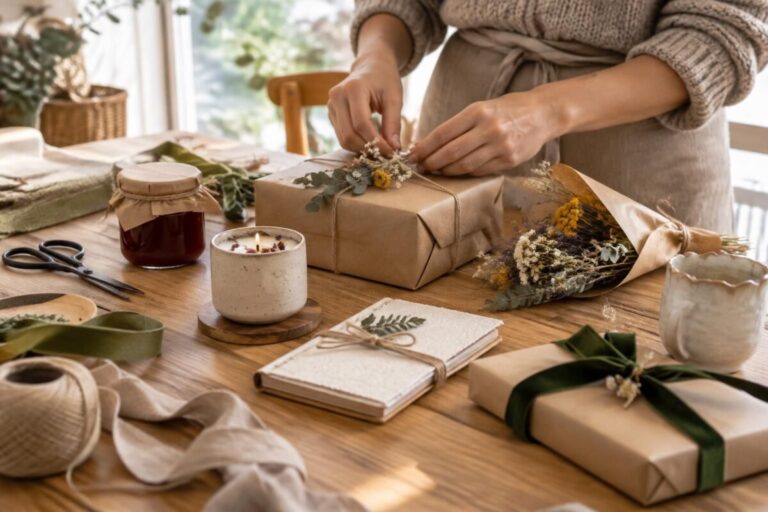
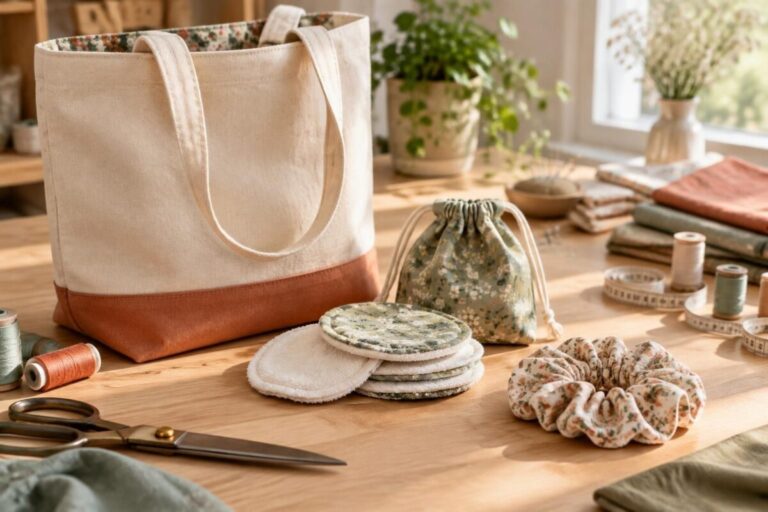
A handmade creation makes the time and thought behind it visible. A pouch sewn in a friend’s favorite colors or a small picture frame inspired by a shared memory can show that you really know them.
But that closeness can also feel like too much. An item engraved with a very personal date, given to someone you’ve only recently met, may create an awkward moment because its level of intimacy exceeds that of the relationship.
The trap: confusing effort with thoughtfulness
Spending hours making something shows commitment, but doesn’t guarantee it will be appreciated. The recipient doesn’t have to like a color, shape, or function just because it took a lot of work to make.
Imagine Léa, who gives her colleague a large, brightly colored decorative item. He likes handmade creations, but his apartment is minimalist and short on space. The thought is sincere; the gift, however, may stay in its packaging. A successful gift takes the recipient into account, not just the story behind how it was made.
Handmade or store-bought: what really matters
Handmade gifts often allow for more thoughtful personalization and support a maker’s work. A store-bought item, however, may be more practical, easier to exchange, or better suited to a specific need. Neither option is automatically more thoughtful.
| Situation | Option to consider | What to keep in mind |
|---|---|---|
| The person likes handmade creations | A handmade item with a polished finish | Choose a style they already wear or use |
| You don’t know their tastes very well | A simple, useful item that’s easy to exchange | Avoid overly personal messages and patterns |
| You want to celebrate a shared memory | A small, subtle personal touch | Make sure it’s a happy memory for them, too |
| The person prefers uncluttered spaces | A compact or consumable creation | Don’t burden them with a bulky item |
Price alone doesn’t determine sentimental value. A hand-illustrated card can mean more than an expensive item chosen without considering someone’s preferences; a well-chosen purchase can also show genuine thoughtfulness.
How to choose without getting it wrong: a 3-step method
- Start with the person. Notice what they use, collect, wear, or avoid. If you’re unsure, consider something understated rather than a very eye-catching creation.
- Consider how close you are. Personalizing something with a name, date, or personal message is better suited to a close relationship than a professional exchange.
- Check the practical details. Consider the size, care requirements, fragility, and production time. A gift should be easy to welcome, not become a burden.
This method also works when buying something from a maker: check the dimensions, materials, and lead times, then ask whether personalization is possible. A reputable maker will generally explain what can and can’t be customized.
A thoughtful gesture, not an imposed gift
If you don’t know the person’s tastes very well, a versatile handmade piece, a small homemade treat, or a card paired with a useful item can lower the risk. If you’re close, a reference to a shared memory can make the gift more meaningful, as long as it’s a happy memory for both of you.
And if the gift doesn’t get the reaction you hoped for, give them some space. A polite response doesn’t necessarily mean they’re rejecting the relationship; they may simply not know how to respond to an item that doesn’t suit them. Thoughtfulness also means giving the other person room to choose.
Frequently asked questions about handmade gifts
Is a handmade gift always more personal?
Not necessarily. It feels personal when it suits the recipient’s tastes and habits. A creation that is far from their style may seem more connected to the giver’s preferences.
How can you personalize a gift without making things awkward?
Choose a subtle detail that suits your relationship. A favorite color or familiar pattern is often less risky than an intimate message or a date with special meaning.
What should you do if someone doesn’t like a handmade gift?
Accept their reaction without asking them to justify it or insisting that the item be displayed or used. If possible, simply offer another option without making them feel guilty.
Can a store-bought gift be as meaningful as a handmade creation?
Yes. A store-bought item, chosen with their tastes, its usefulness, and the situation in mind, can show a great deal of thoughtfulness. A handwritten card or a small personal touch can make it feel more personal.
Thanks for reading! If this topic resonates with you, I’d love it if you left me a comment at the bottom of the article. — Sophie