Gifts for the home: how to avoid fragile or useless presents
Hi there, it’s Sophie.
To avoid giving a fragile or useless gift, choose a sturdy item that suits the recipient’s habits and is made from durable materials.
A handmade gift can be original without ending up at the back of a cupboard. A few checks before you get started are all it takes to give something beautiful, durable, and genuinely useful.
Things to do before making a homemade gift
- Think about the recipient: consider their tastes, needs, and how much space they have.
- Choose a clear purpose: a useful item is better than a decoration with no function.
- Check that it’s sturdy: choose durable materials and appropriate ways of putting it together.
- Test your idea: handle the item, wash it, or carry it as the recipient would.
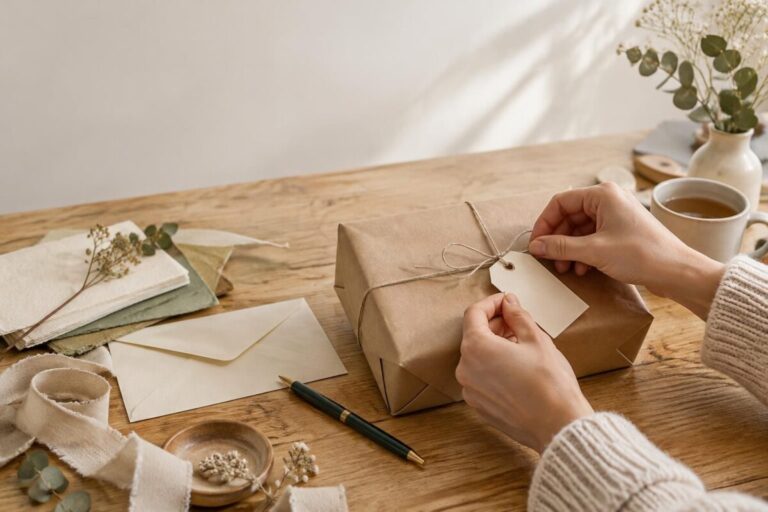
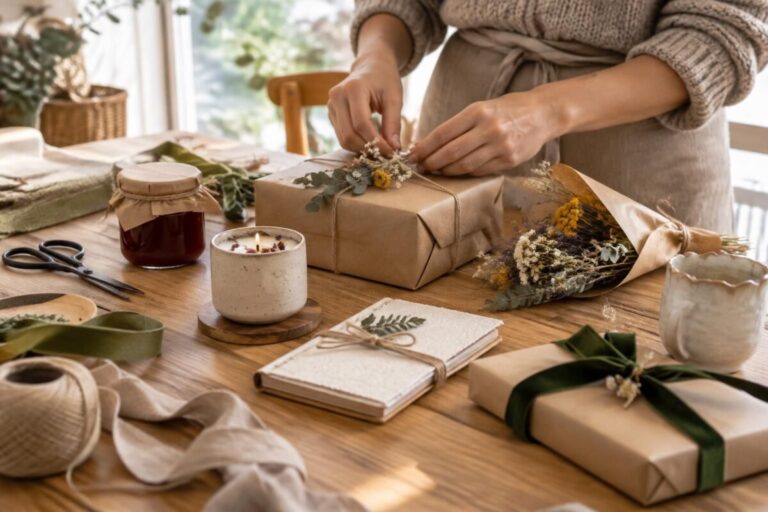
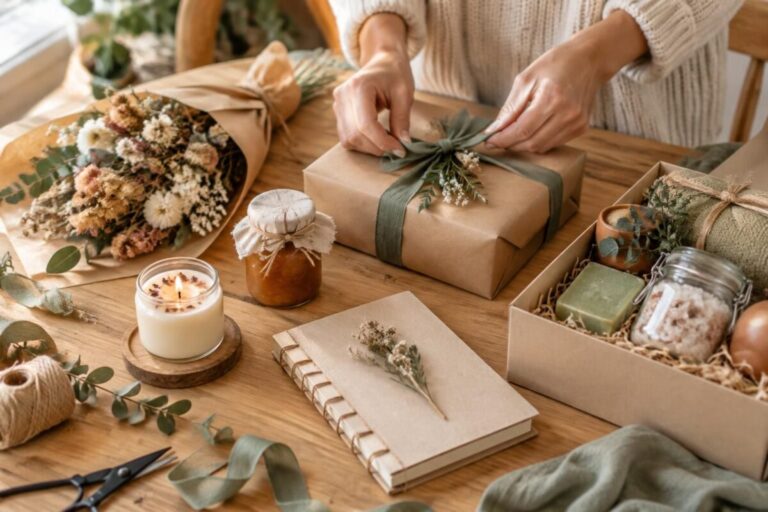
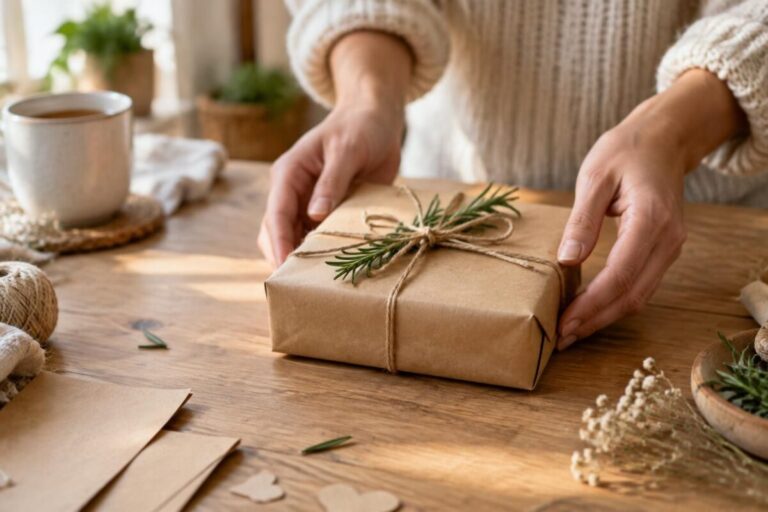
- Plan a simple presentation: use reusable wrapping to reduce waste.
To spot common pitfalls, find out how to make something beautiful without giving a fragile gift and explore these home decor ideas that avoid adding one more unnecessary item. These tips can help you choose wisely before you even pick out your supplies.
Fragile or durable homemade gifts: the details that make all the difference
A beautiful item isn’t necessarily made to last. A poorly attached handle, paint that flakes off when washed, or a piece that’s too thin can turn a charming gesture into something unusable.
On the other hand, keeping things simple often helps you achieve a sturdy result. A small, well-sanded tray or a bag sewn from durable canvas can accompany its recipient for years.
| Gift idea | Risk to check for | More durable option |
|---|---|---|
| Decorated pot | Paint that gets damaged when washed | Decorate the outside with a suitable product and recommend gentle washing |
| Small clay object | A thin or brittle piece | Make it thick enough and use a finish suited to its purpose |
| Fabric accessory | Seams that come apart | Choose a sturdy fabric and reinforce areas that get a lot of use |
| Wall decoration | An item that’s difficult to install | Add a reliable, lightweight hanging fixture |
Choosing the materials matters just as much as the creative process. To make a durable gift, check that the components are suitable for the intended use: an item handled every day needs to withstand more wear and tear than a decoration sitting on a shelf.
Avoid an unwanted gift: start with the recipient’s habits
A common pitfall is making something the maker likes rather than something the recipient will enjoy. A large decorative item may seem stunning, but it can become a nuisance in a small apartment.
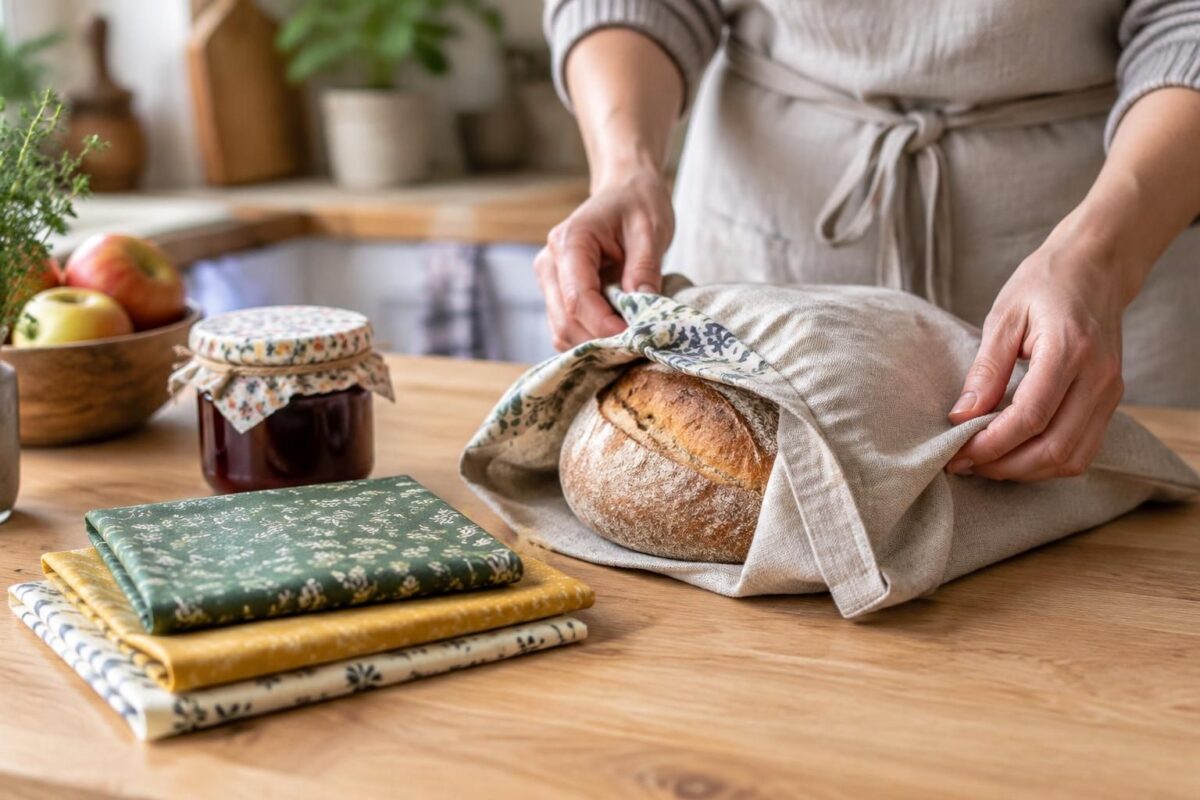
Imagine Léa, who wants to thank a friend who loves cooking. She’s deciding between a wall decoration and a set of reusable cloths. Since her friend cooks often and prefers practical items, the cloths are more likely to get regular use.
A personalized gift can also be simple: a favorite color, a small embroidered detail, or a tag with a kind message is enough. Personalization is more meaningful when it goes hand in hand with a practical use.
A practical gift idea that suits their tastes
If you know the recipient’s habits well, tailor your project to their daily life: a case for their paintbrushes, a reusable produce bag, or a sturdy trivet. If you don’t know them as well, choose a small creation that’s easy to use or put away.
Zero waste can guide your choice without becoming a constraint. Reusable cloths or reusable wrapping are good options if the recipient already uses them, but it’s best not to impose a new item or habit.
Make a homemade gift in three steps
- Identify the need: note an activity, a preference, or a small problem your gift could help with. If you’re short on ideas, start with an observed need rather than an object to make.
- Choose the right format and materials: check the dimensions, ease of care, and durability of your supplies. For a wooden creation, for example, sand the edges carefully and test its stability before giving it.
- Try it out and get it ready to give: test the item in conditions close to how it will actually be used, then add a care label if necessary. Reusable fabric or a box you already have on hand creates a polished finish without adding more packaging.
If the project requires a technique you haven’t mastered, scale it down before giving up. A small, well-finished item often makes a better impression than an ambitious but fragile piece.
Choose a homemade gift that will truly be appreciated
A successful gift doesn’t need to be complicated or expensive. It combines a suitable idea, careful craftsmanship, and a presentation that reflects the recipient’s needs.
Local crafts can also complement something you’ve made yourself: you could make a card or a fabric gift wrap and add a small item made by a local artisan. The result is a thoughtful, one-of-a-kind gift that also supports local craftsmanship.
How can you tell if a homemade gift will be useful?
Ask yourself whether the recipient can use, store, or care for it easily. If you’re unsure, choose a compact and versatile design.
Which materials should you choose for a sturdy item?
It depends on how it will be used. For an accessory that’s handled often, choose thick fabric, reinforced seams, or sturdy construction; for a decoration, focus on its stability and the quality of its fixtures.
Does a personalized gift have to be complicated to make?
No. A carefully chosen color, a subtle initial, or an embroidered detail can be enough to make a creation personal without making it fragile or unnecessarily extending the time it takes to make.
How can you avoid a decor gift that takes up too much space?
Choose a small item, something useful, or a creation that’s easy to put away. If you don’t know much about the recipient’s home, avoid bulky pieces and very bold colors.
Thanks for reading! If this topic resonates with you, share your experience in the comments. — Sophie